


Children’s dentistry
Their first visits
shape the rest.
Most adults who dread the dentist had a bad experience as a child. Get this right early, and they will never think twice about coming.
-
The dental care of children, from the arrival of the first tooth through to their teenage years, adapted to each stage of growing up.
-
A preventive approach, spotting decay early, applying fluoride and sealants, and keeping baby teeth healthy so adult teeth arrive well.
-
Above all, a way of building confidence, so that a child grows up seeing the dentist as normal rather than something to fear.
Baby teeth matter. They hold the space, guide the adult teeth in, and decay in them can still cause real pain.
Check-ups — gentle examinations, at their pace
Fluoride — strengthens enamel against decay
Sealants — protects the grooves in back teeth
Advice — brushing, diet and thumb-sucking

Why it matters
Start early,
stay relaxed.
Children who come from the very beginning rarely develop a fear of the dentist. It is the single best thing you can do for them.

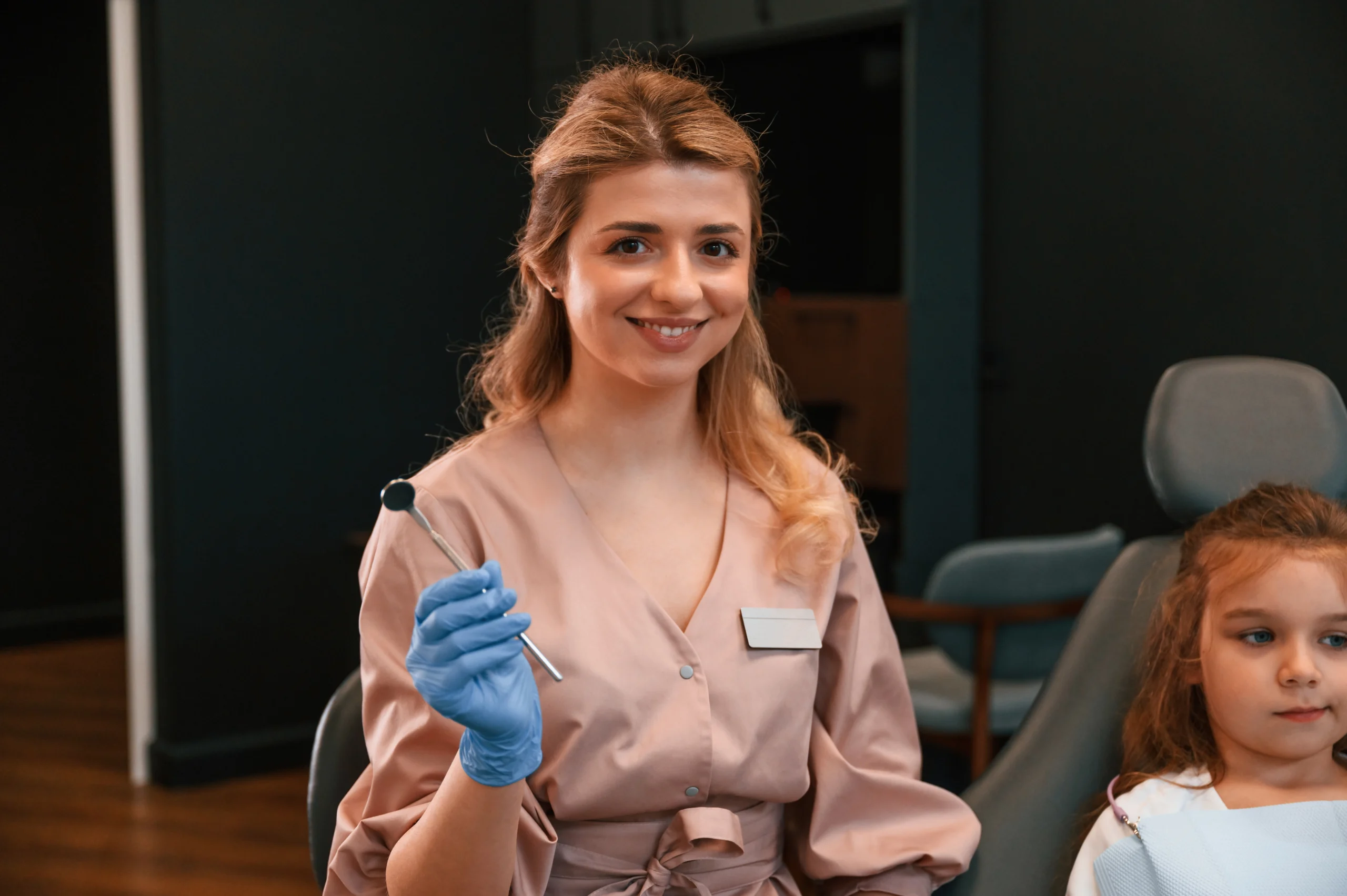
A friendly face makes all the difference.
Fear is learned, not born
Very few children are naturally afraid of the dentist. They pick it up, often from a bad first experience. Come early and often, and it never takes hold.
Decay is the top reason children go to hospital
Tooth decay remains one of the most common reasons for children in England to have a general anaesthetic. Nearly all of it is preventable.
Baby teeth still matter
They hold space for the adult teeth and guide them into position. Losing them early can cause crowding that takes years of treatment to correct.
Habits form young
Brushing, diet, thumb-sucking, all of it is far easier to shape at four than at fourteen. We help you get ahead of it, without the lectures.
How it works
Their visit, step by step.
No sudden surprises. We move at their speed, and stop the moment they want to.
Come along together
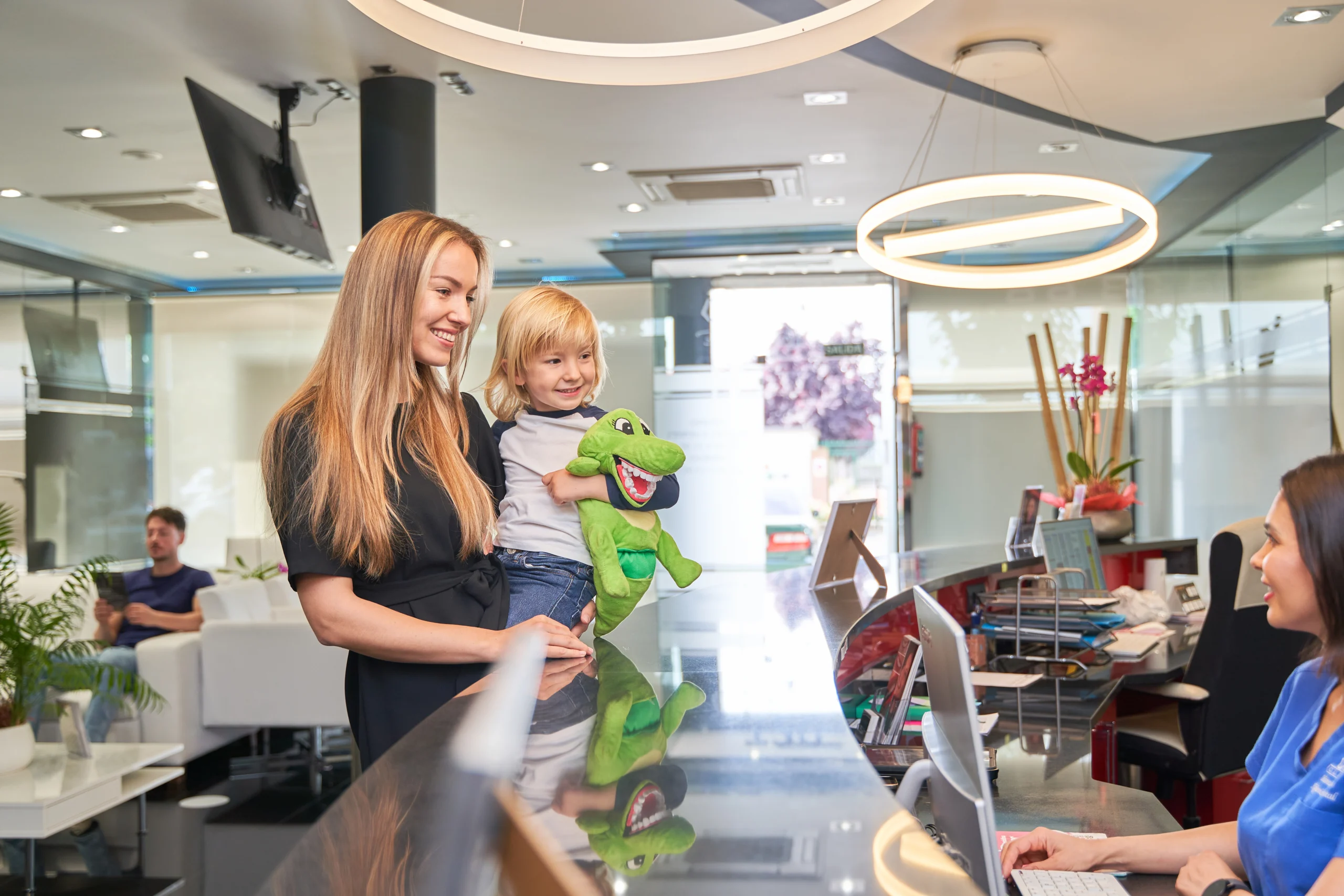
Book them in, or simply bring them when you come. Sitting on your lap and watching you is often the perfect first visit.
A ride in the chair
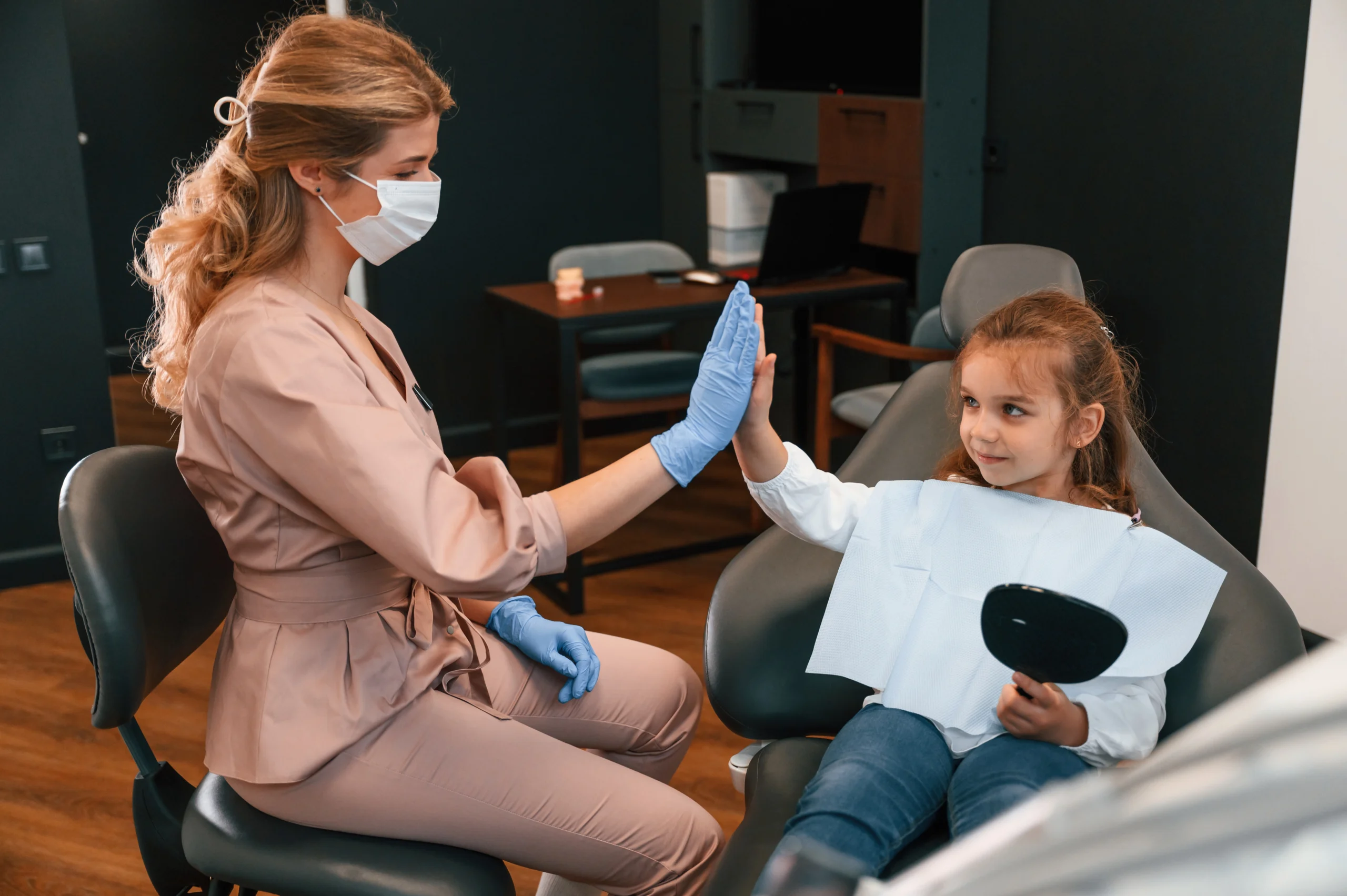
We let them explore. Up and down in the chair, meeting the mirror, counting teeth. Nothing happens until they are happy.
A gentle look
When they are ready, we count their teeth and check everything is coming through as it should. It takes minutes, and it never hurts.
A sticker and a wave
They leave pleased with themselves, which is exactly the point. We will see them again in six months.

How it works
Their visit, step by step.
No sudden surprises. We move at their speed, and stop the moment they want to.
Step 01Come along together
Book them in, or simply bring them when you come. Sitting on your lap and watching you is often the perfect first visit.
Step 02A ride in the chair
We let them explore. Up and down in the chair, meeting the mirror, counting teeth. Nothing happens until they are happy.
Step 03A gentle look
When they are ready, we count their teeth and check everything is coming through as it should. It takes minutes, and it never hurts.
Step 04A sticker and a wave
They leave pleased with themselves, which is exactly the point. We will see them again in six months.


Little ones welcome
Bring them
along.
Even if it is just to sit in the chair and have a look. Starting early is the kindest thing you can do for them.