

Composite bonding
Small fixes,
big difference.
Bonding uses the same tooth-coloured resin as a white filling, shaped by hand onto your teeth. It is quick, gentle, and quietly transforms a smile.
-
Tooth-coloured resin applied and shaped directly onto the tooth, then set hard and polished, all in one sitting.
-
A quick way to repair and reshape, closing small gaps, rebuilding chipped edges and smoothing rough teeth.
-
The gentlest cosmetic option. Usually no drilling, nothing permanent removed, and it can be adjusted or reversed later.
Not as hard-wearing as porcelain, but easily repaired or refreshed, and far kinder to the budget.
Chips — rebuilt in minutes, invisibly
Gaps — small spaces closed neatly
Shape — short or uneven teeth evened out
Rough edges — smoothed and tidied

Why it matters
The easiest way
to a better smile.
Bonding is often the first thing we suggest, because it does so much for so little. Quick, gentle, affordable, and reversible.

Quick, gentle, and easily undone.
Done in a single visit
There is no lab, no waiting, no temporaries. We shape the resin onto your teeth, set it, polish it, and you leave with the result the same day.
Usually no drilling at all
Because the material bonds to the surface, we rarely need to remove any tooth. That means no injections in most cases, and nothing permanent taken away.
It can be undone
Unlike veneers or crowns, bonding does not commit you to anything. It can be adjusted, added to, or removed entirely later if you change your mind.
Gentle on your budget
Bonding is one of the most affordable cosmetic treatments there is. It is a small change that makes a real difference, without a large outlay.
What it fixes
The little things,
put right.
Bonding is made for the small stuff, the chip, the gap, the uneven edge. Tap one to see what it can do.
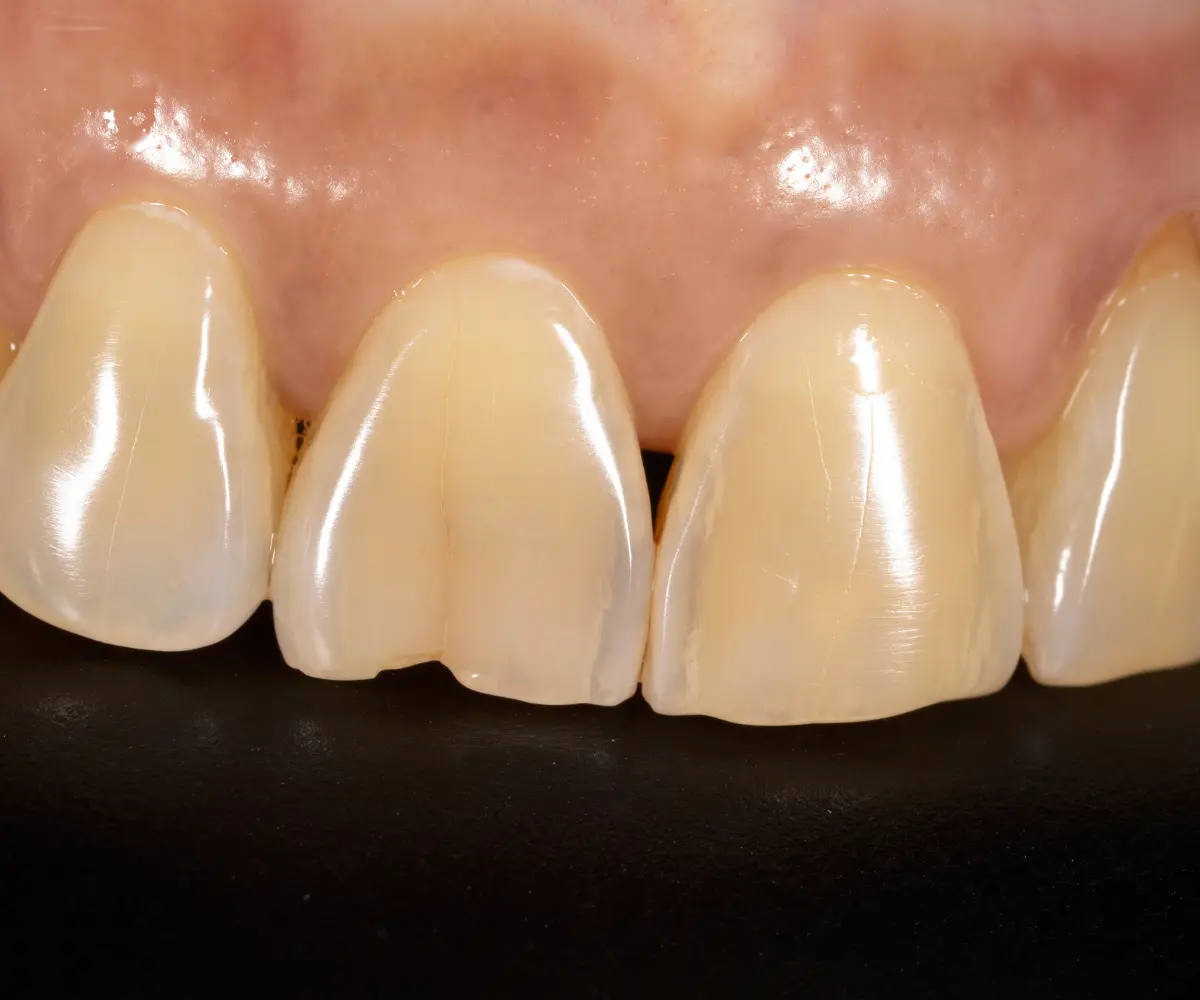
Chips
A chipped front tooth is the classic bonding job. We rebuild the missing edge with tooth-coloured resin in minutes, so it looks whole again.
See if bonding would suit you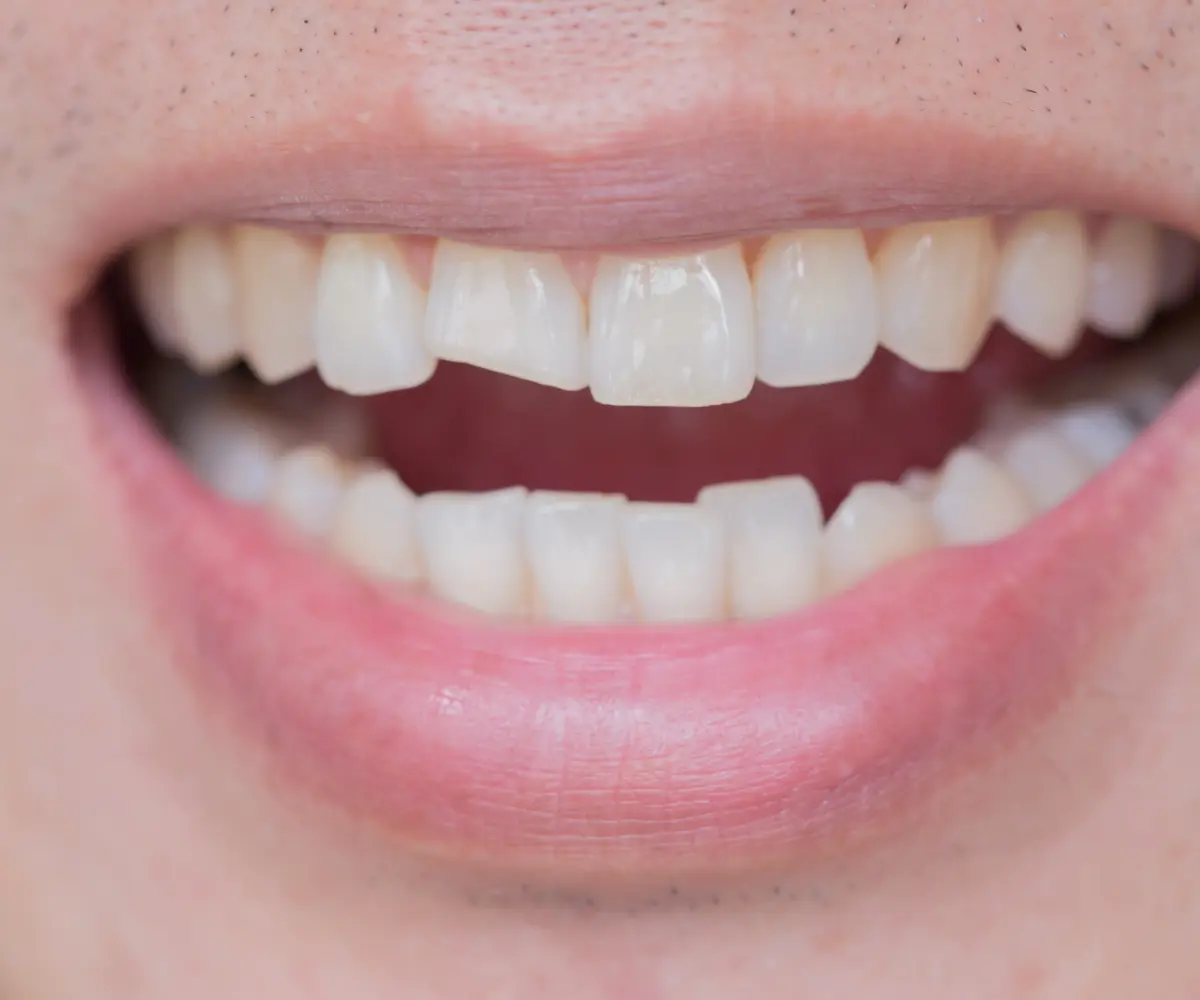
Cracks
Small cracks and surface lines in a front tooth can be smoothed and sealed with bonding, restoring a clean, even look and protecting the edge.
See if bonding would suit you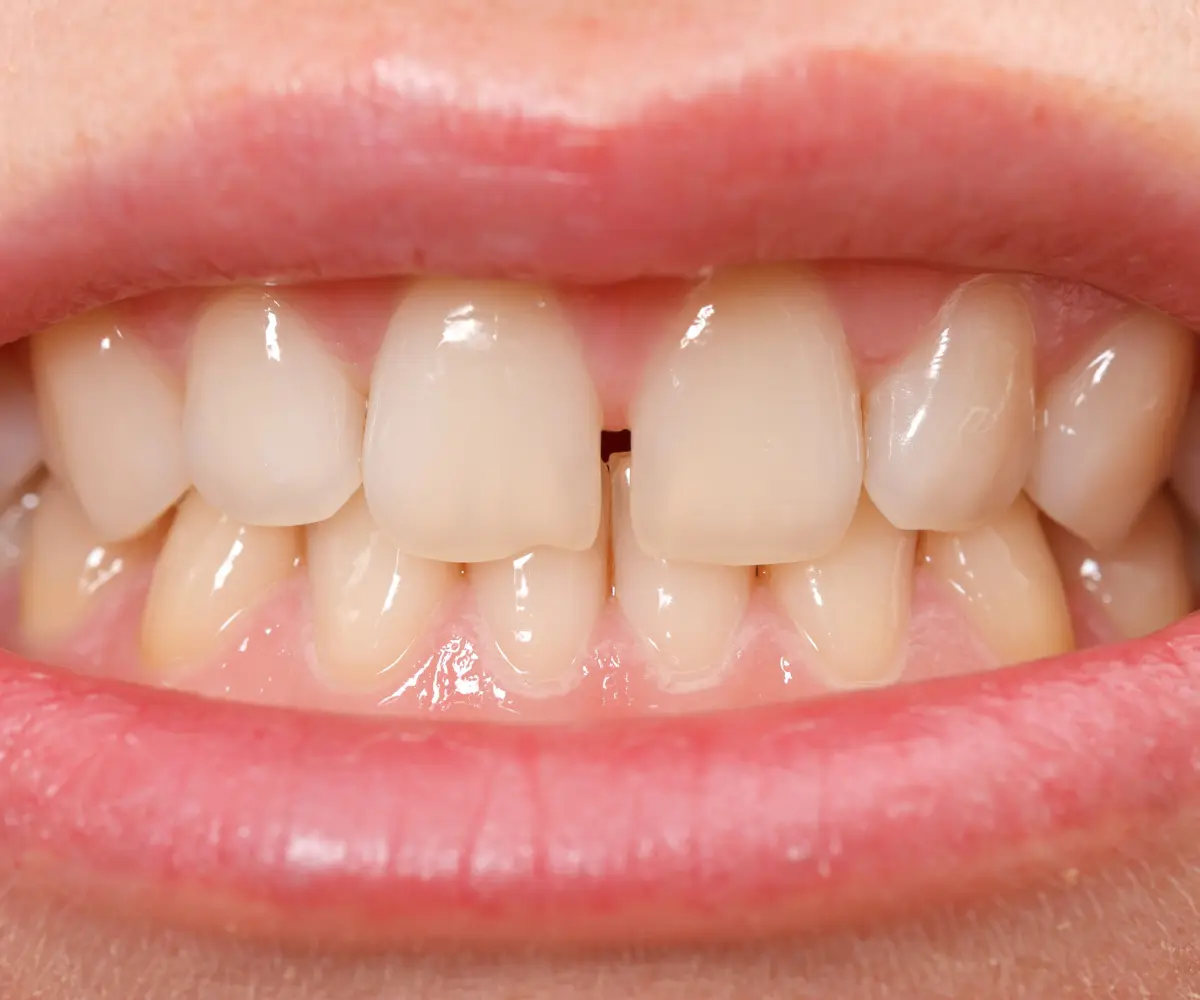
Gaps
Bonding can close a small gap without braces, by adding a little resin to the teeth on either side. Quick, gentle, and no need to move anything.
See if bonding would suit you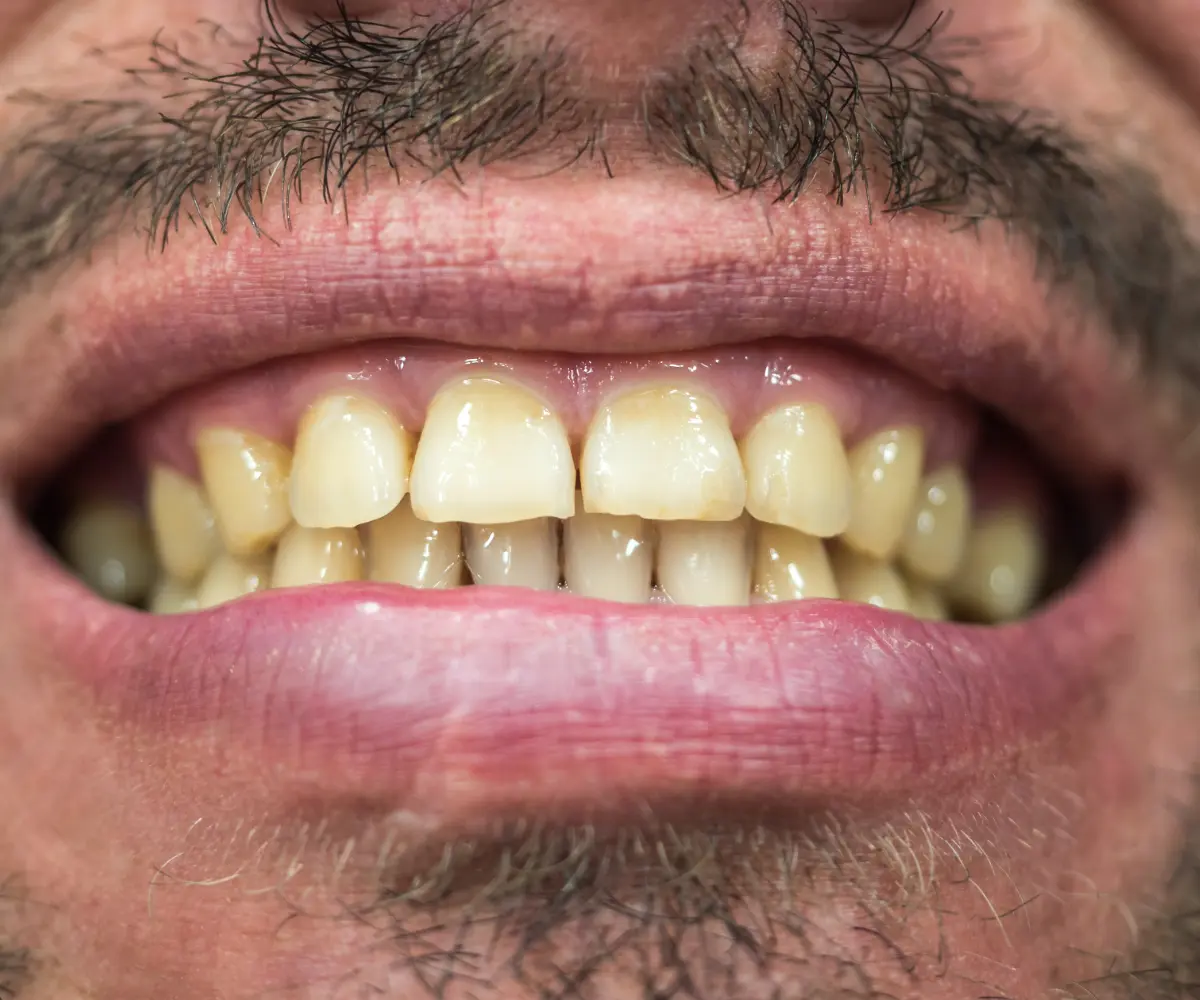
Staining
A darker tooth or a stubborn mark that will not whiten can be covered and blended with bonding, so it matches the teeth around it.
See if bonding would suit you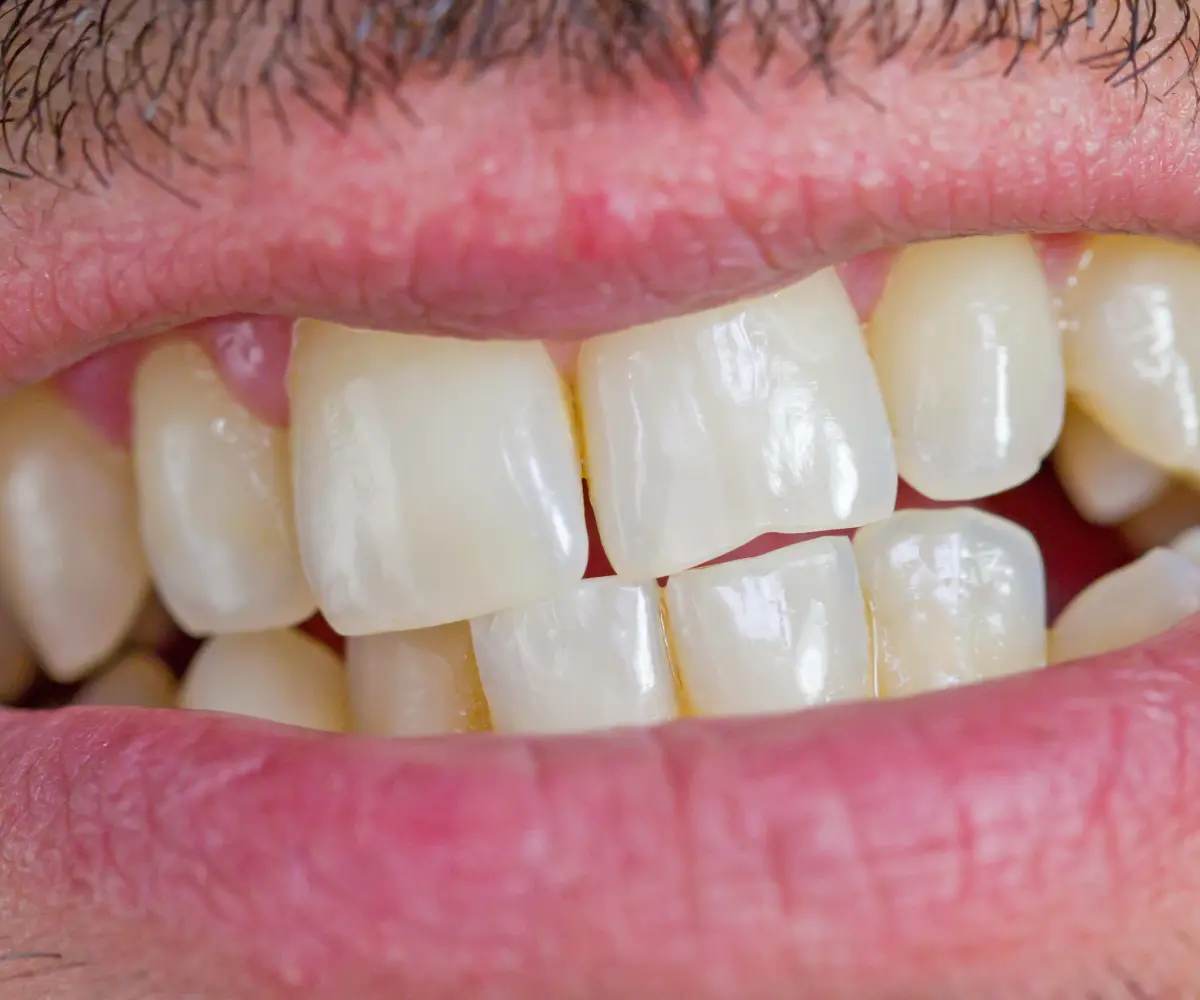
Uneven edges
Teeth that are a little short, worn or out of line can be built up and evened out, bringing the whole smile line back into balance.
See if bonding would suit youHow it works
How bonding works.
Start to finish, usually inside a single appointment.
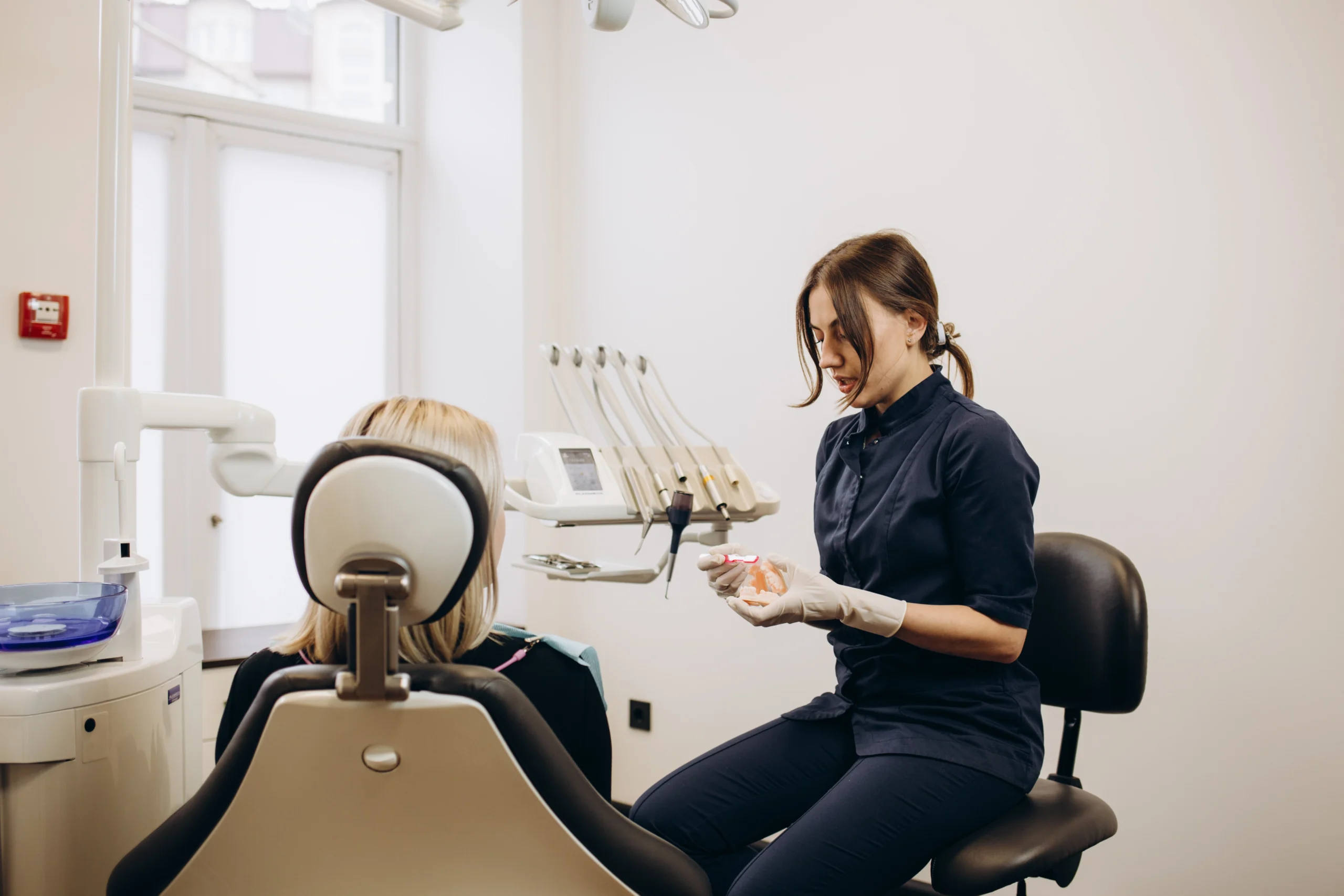
We agree the plan
We look at what is bothering you and talk through what bonding can do. We agree the shape and shade together, so you know what to expect.
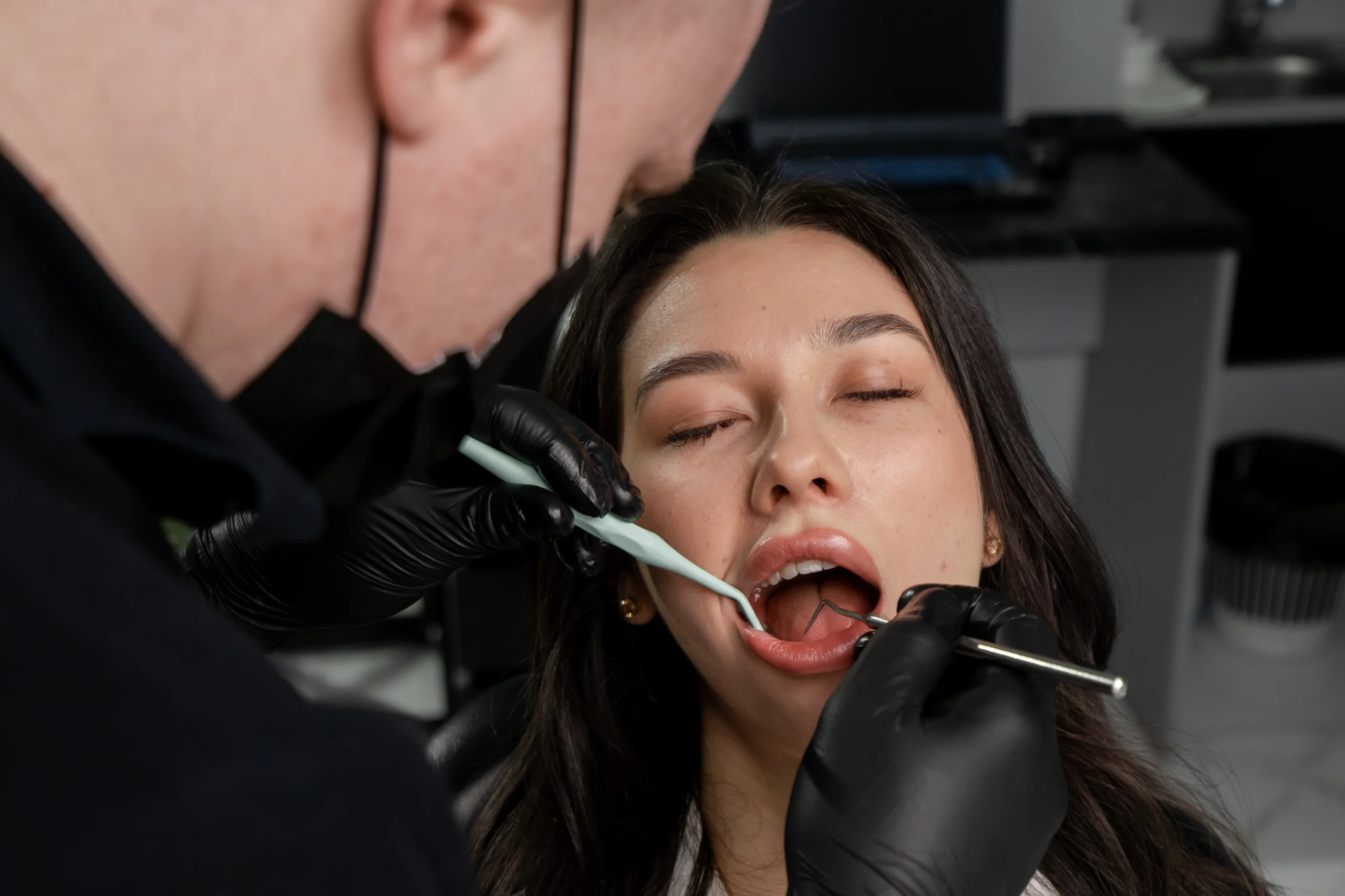
We prepare the tooth
Usually just a gentle clean and a mild etch to help the resin grip, no drilling in most cases. This takes only a few minutes.
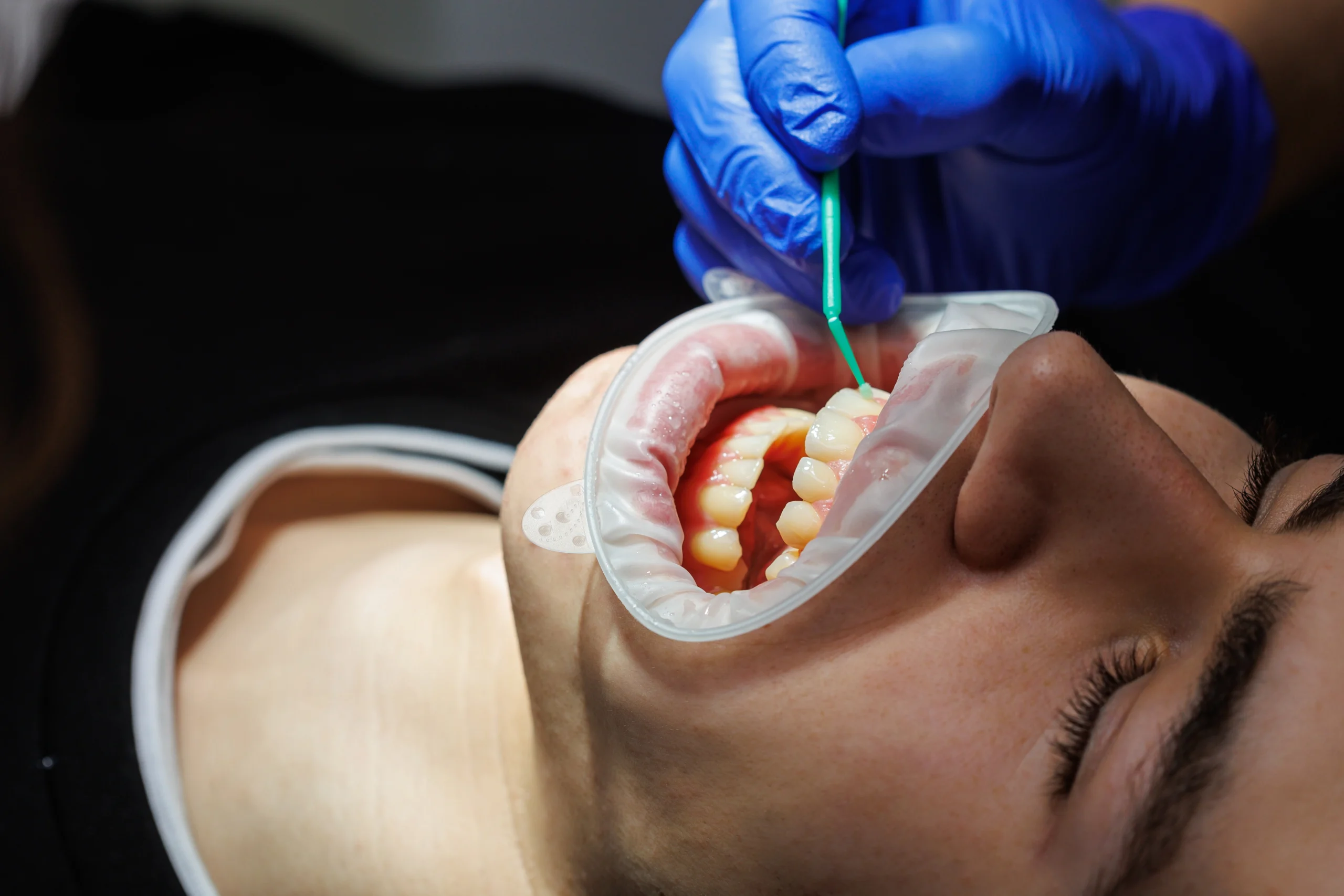
We shape the resin
We apply the tooth-coloured resin in layers, sculpting it by hand to the agreed shape, then set it hard with a curing light.
We polish it smooth
We fine-tune the shape, check your bite feels right, and polish everything to a natural shine. You walk out with it done.

How it works
How bonding works.
Start to finish, usually inside a single appointment.
Step 01We agree the plan
We look at what is bothering you and talk through what bonding can do. We agree the shape and shade together, so you know what to expect.
Step 02We prepare the tooth
Usually just a gentle clean and a mild etch to help the resin grip, no drilling in most cases. This takes only a few minutes.
Step 03We shape the resin
We apply the tooth-coloured resin in layers, sculpting it by hand to the agreed shape, then set it hard with a curing light.
Step 04We polish it smooth
We fine-tune the shape, check your bite feels right, and polish everything to a natural shine. You walk out with it done.


A small change, a big lift
Tidy it up
in one visit.
Bothered by a chip, a gap, or an uneven edge? Book a consultation and we will show you what a little bonding could do.