


Tooth extraction
The option we
try hardest to avoid.
A tooth is always worth saving if it can be. But a tooth that is beyond repair causes far more harm staying in than coming out.
-
The removal of a tooth that cannot be saved, carried out under local anaesthetic so that you feel pressure but not pain.
-
A last resort, considered only when decay, infection, fracture or gum disease has damaged the tooth beyond any sensible repair.
-
The beginning of a plan, not the end of one. What matters most is what goes back into the gap afterwards.
We will always tell you honestly whether a tooth can be saved. If it can, we will try.
Decay — too extensive to fill or crown
Infection — that a root canal cannot resolve
Fracture — split below the gum line
Gum disease — the bone support is gone

Why it matters
Nothing beats
your own tooth.
Every replacement we can offer is very good. None of them is quite as good as the tooth you were born with, which is why we fight to keep it.

Gentler than the reputation suggests.
We try to save it first
A root canal, a crown, gum treatment. If any of these gives the tooth a realistic future, we will recommend that instead. Removal is what we do when nothing else will work.
Leaving a broken tooth is worse
A tooth that is infected or split is not neutral. It causes pain, spreads infection, and can damage the bone around it. Removing it is often the kindest thing to do.
It should not hurt
You will feel firm pressure and movement, which surprises people, but you should not feel pain. If you do, tell us and we will add more anaesthetic.
The gap is the real decision
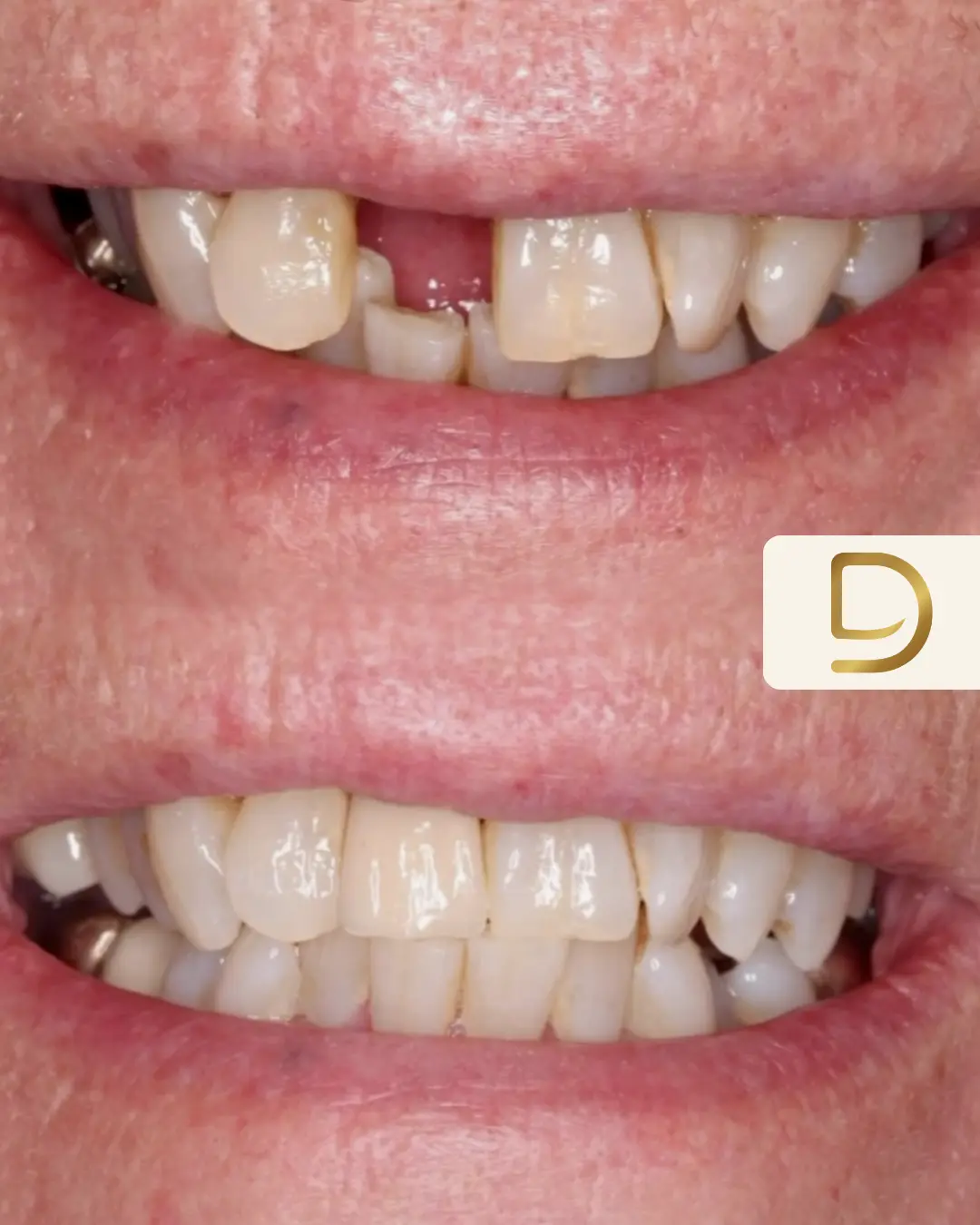
Taking the tooth out is the easy part. What you put back matters far more, and it affects your bite, your other teeth and the shape of your face.
How it works
How an extraction works.
Far less dramatic than people imagine. Here is exactly what happens.
We check it cannot be saved
First we look properly, usually with an x-ray. If there is a realistic way to save the tooth, we will tell you and we will try that instead.
Getting you numb
Local anaesthetic, and we wait until it has properly taken hold. If you are anxious, sedation is available and you are welcome to ask.
The extraction itself
You will feel firm pressure and some movement, but not pain. Most extractions take only a few minutes. Raise a hand at any point and we stop.
Healing, and the gap
We explain exactly how to look after the socket. Then, when you are ready, we talk about replacing the tooth properly.




How it works
How an extraction works.
Far less dramatic than people imagine. Here is exactly what happens.
Step 01We check it cannot be saved
First we look properly, usually with an x-ray. If there is a realistic way to save the tooth, we will tell you and we will try that instead.
Step 02Getting you numb
Local anaesthetic, and we wait until it has properly taken hold. If you are anxious, sedation is available and you are welcome to ask.
Step 03The extraction itself
You will feel firm pressure and some movement, but not pain. Most extractions take only a few minutes. Raise a hand at any point and we stop.
Step 04Healing, and the gap
We explain exactly how to look after the socket. Then, when you are ready, we talk about replacing the tooth properly.
What happens next
Do not leave
the gap.
Taking the tooth out is the straightforward part. Deciding what replaces it is the decision that actually affects the next thirty years.
things happen when a gap is left alone. The teeth either side drift in. The tooth above drops down. Your bite changes. And the jawbone quietly begins to shrink away.
Dental implant
Replaces the root, not just the crown
A titanium post placed into the jaw, topped with a crown made to match your other teeth. It stands entirely on its own, so no neighbouring teeth are touched, and it keeps the jawbone stimulated so your face keeps its shape.
- Does not rely on the teeth either side
- Preserves the bone and your face shape
- Brush and floss it like a normal tooth
- Designed to last for decades
Dental bridge
Anchored to the neighbouring teeth
A false tooth held in place by crowns on the teeth either side of the gap. Fixed, natural-looking and quicker than an implant, though it does mean preparing two healthy teeth to support it.
Fixed in place, nothing to remove
Quicker than an implant
Requires reshaping healthy teeth
Does not prevent bone loss
More about bridgesDenture
Removable, and the simplest option
A removable replacement made to fit your mouth. The most straightforward and affordable option, particularly where several teeth are missing, though it does take some getting used to.
The most affordable option
Good for several missing teeth
Removable, so needs cleaning out
Can move slightly when eating
More about denturesOf the three, only an implant replaces the root as well as the tooth.
Talk about implants

In pain? Come in
Let us look
at it first.
It may not need to come out at all. And if it does, we will make it as gentle as possible, then help you replace it properly.