


Dental implants
A real root,
a real tooth.
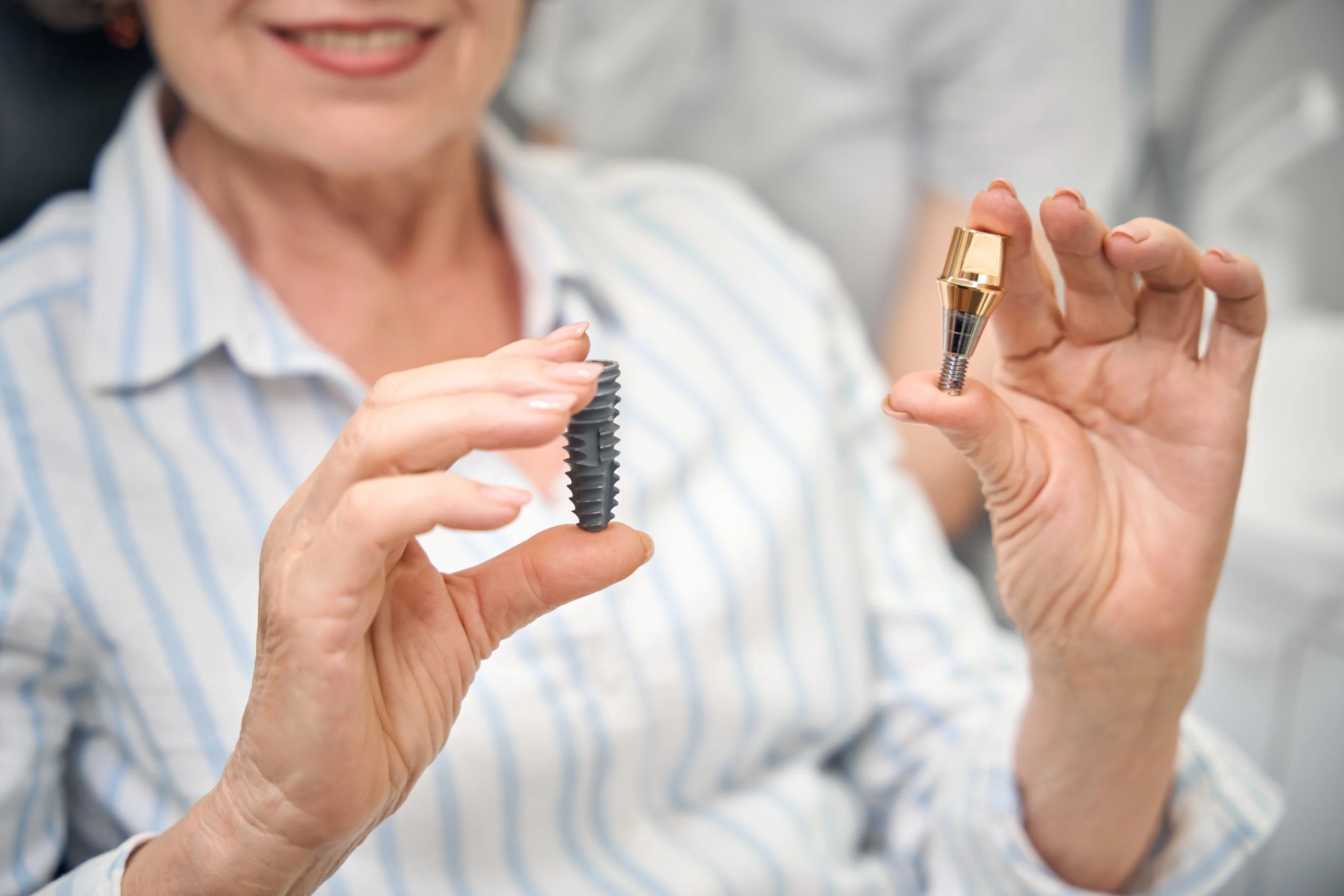
Unlike a denture or bridge, an implant replaces the root of the tooth too. A small titanium post fuses with your jaw, giving a new tooth something solid to hold onto.
-
A small titanium post placed in the jaw to replace the root of a missing tooth, which then supports a new tooth on top.
-
A fixed replacement, not a removable one. Once healed, it stays in place and is looked after just like a natural tooth.
-
A foundation for one tooth or many. A single implant can hold a crown, or several can support a bridge or a full set of teeth.
A long-term solution. With good care, implants can last for many years, often decades.
A single tooth — one implant, one crown
Several teeth — a few implants holding a bridge
A full arch — All-on-4 or All-on-6
Loose dentures — implants to hold them firm


How it is made up
Three parts,
one new tooth.
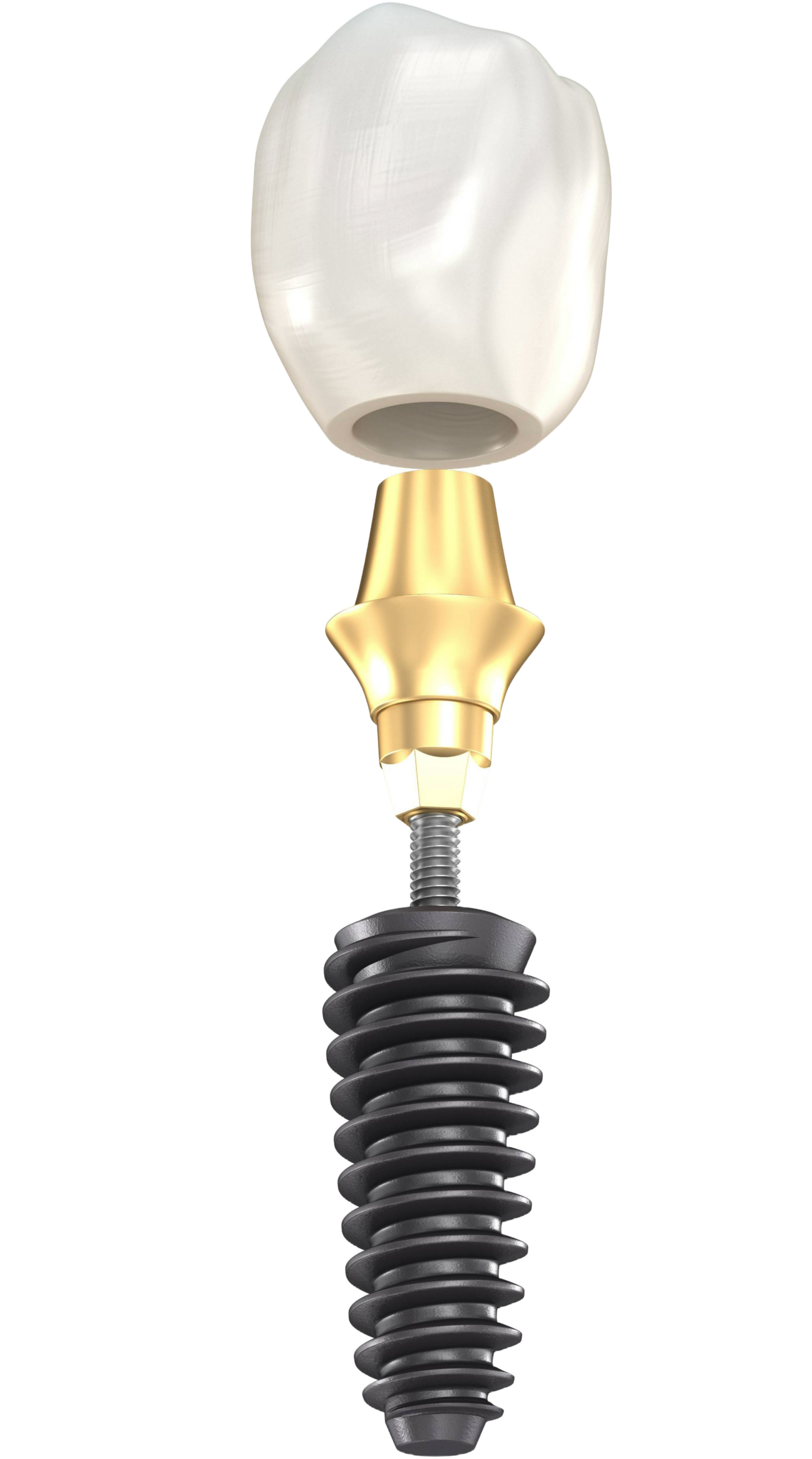
An implant is not one piece but three, stacked from the root in the bone to the crown you smile with. Tap each to see its job.
Why it matters
The closest thing
to a real tooth.
Other options replace the tooth you see. An implant replaces the root as well, and that changes everything about how it feels and lasts.
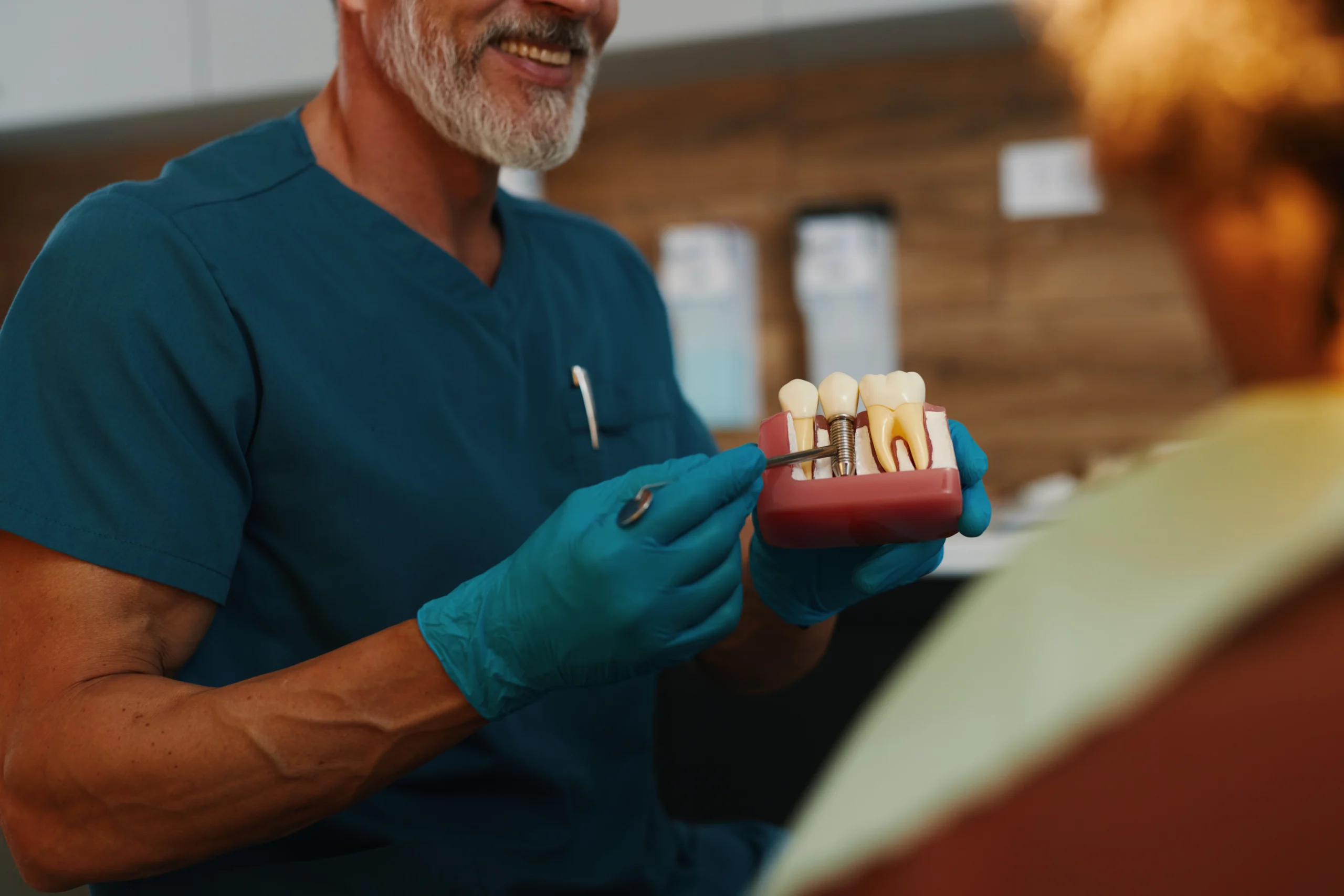
Fixed, protective, and built to last.
It stays put
No slipping, no clicking, no taking it out. An implant is fixed in the jaw, so you eat, talk and laugh without a second thought, just like your own teeth.
It protects your jaw
When a tooth is lost, the bone beneath begins to shrink. An implant is the only option that replaces the root too, keeping the bone stimulated and your face supported.
It leaves your other teeth alone
Unlike a traditional bridge, an implant does not rely on grinding down the healthy teeth either side. It stands on its own, so the rest of your smile stays untouched.
It lasts
With good care, implants can last for many years, often decades. It is an investment, but one that rarely needs redoing, unlike other options.
How it works
How implants work.
From first scan to a new tooth, here is the journey.
We assess and plan
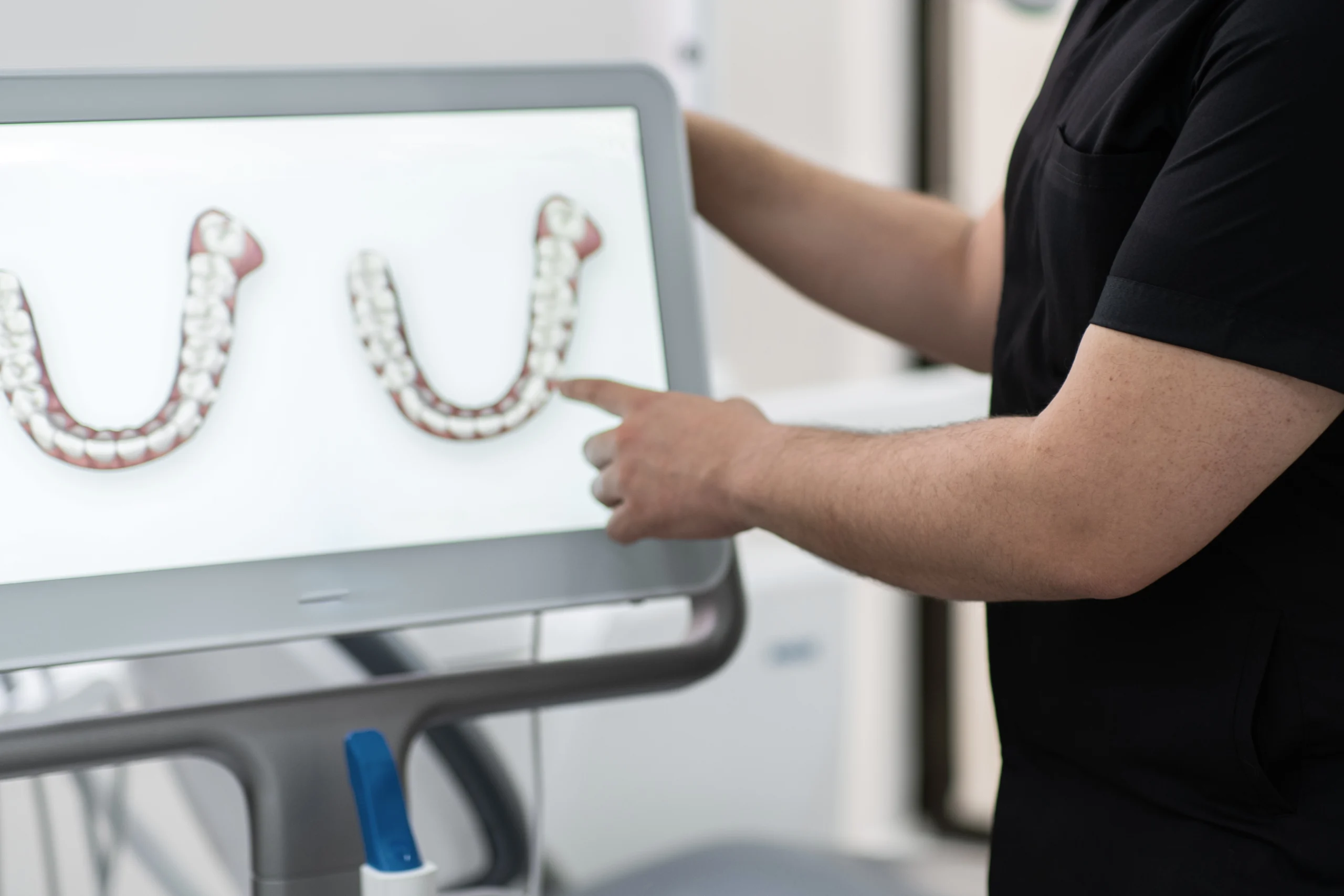
We take scans and x-rays to check the bone and plan precisely where the implant will go. We talk through your options and give you a clear picture of the journey.
We place the implant
Under local anaesthetic, the titanium post is placed into the jaw. It is a smaller procedure than most people expect, and usually far more comfortable than they fear.
It heals and fuses
Over a few months, the implant fuses with your bone to form a solid foundation. You are not left without a tooth in the meantime, we sort that out.
We fit your new tooth
Once healed, we attach the abutment and your custom crown, bridge or teeth. We check the fit and the look, and your new smile is complete.



How it works
How implants work.
From first scan to a new tooth, here is the journey.
Step 01We assess and plan
We take scans and x-rays to check the bone and plan precisely where the implant will go. We talk through your options and give you a clear picture of the journey.
Step 02We place the implant
Under local anaesthetic, the titanium post is placed into the jaw. It is a smaller procedure than most people expect, and usually far more comfortable than they fear.
Step 03It heals and fuses
Over a few months, the implant fuses with your bone to form a solid foundation. You are not left without a tooth in the meantime, we sort that out.
Step 04We fit your new tooth
Once healed, we attach the abutment and your custom crown, bridge or teeth. We check the fit and the look, and your new smile is complete.
Your options
One tooth, or a whole smile.
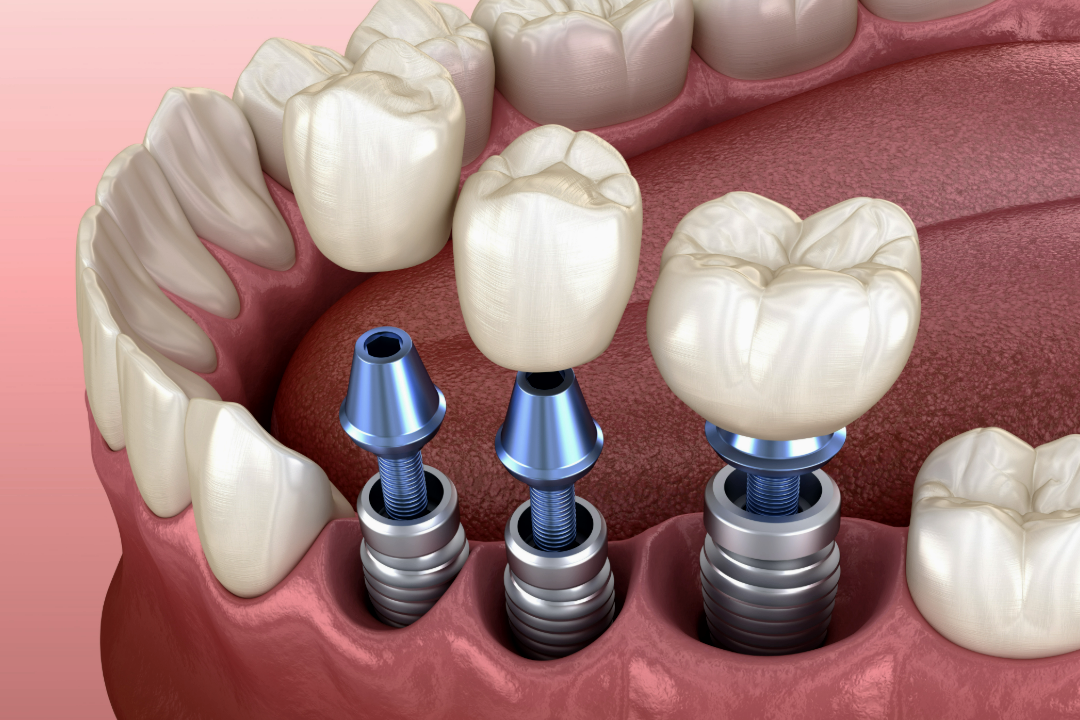
A single tooth
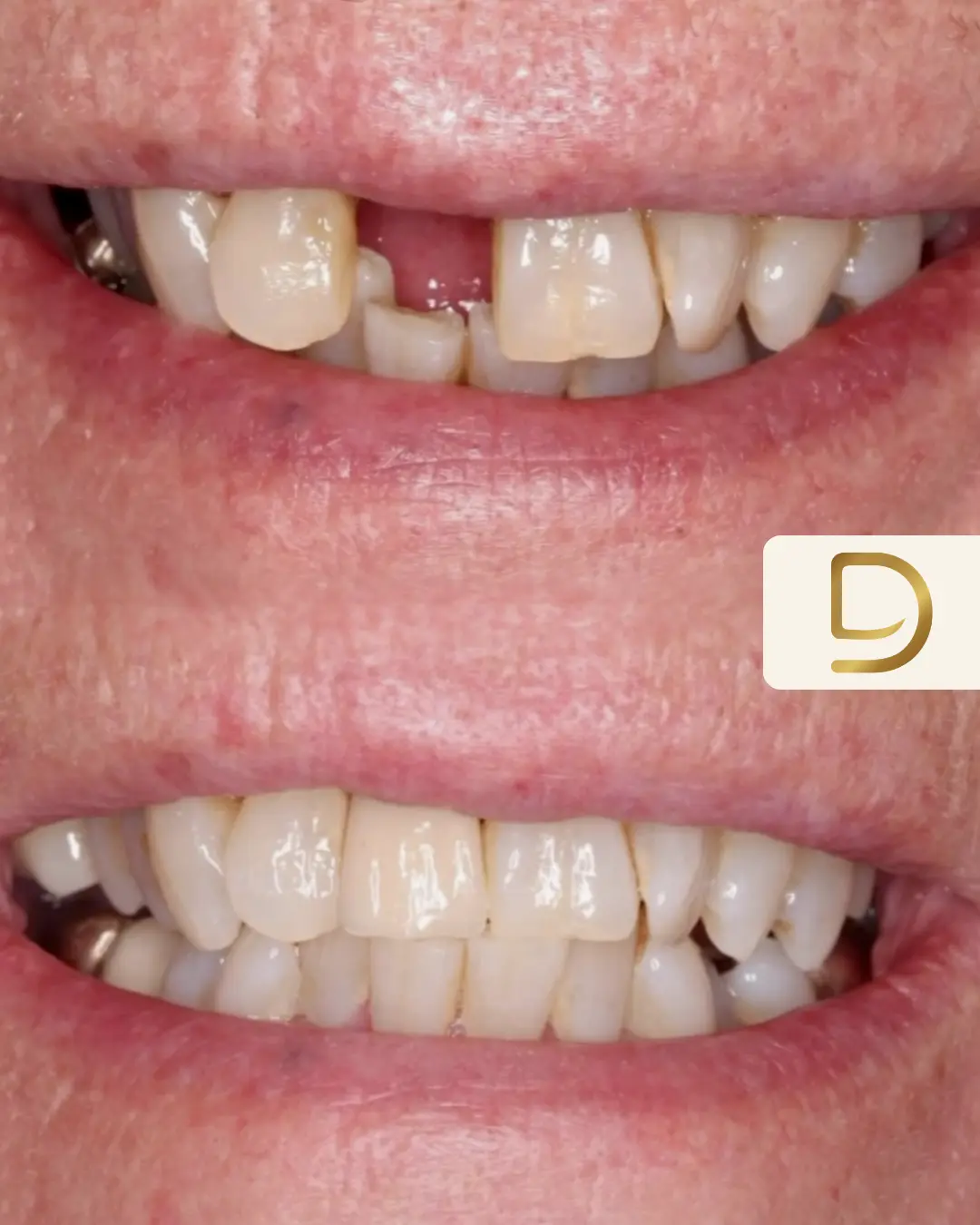
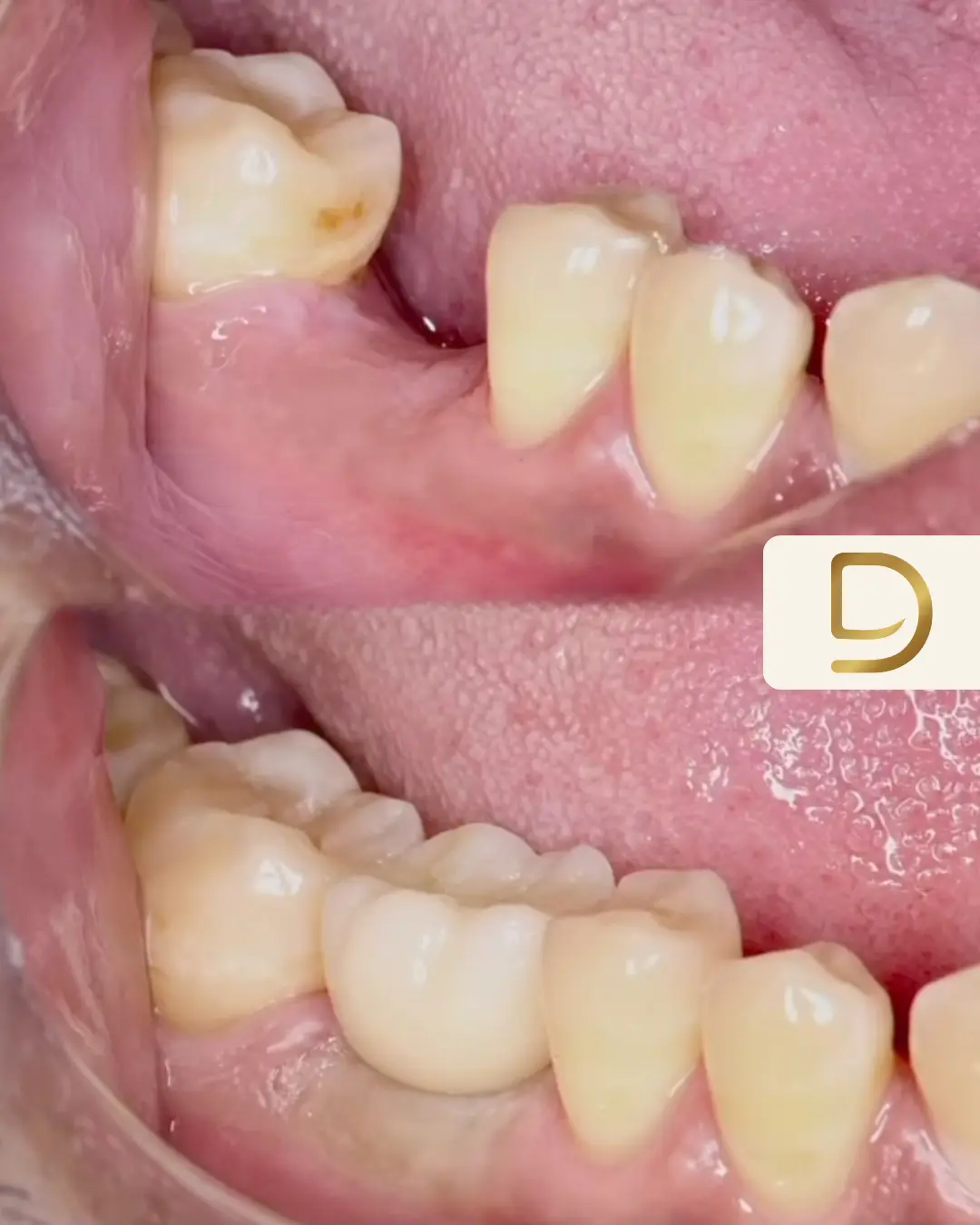
The most common option. A single titanium post replaces one missing tooth, topped with a crown made to match the teeth around it. Nothing is done to the neighbouring teeth.
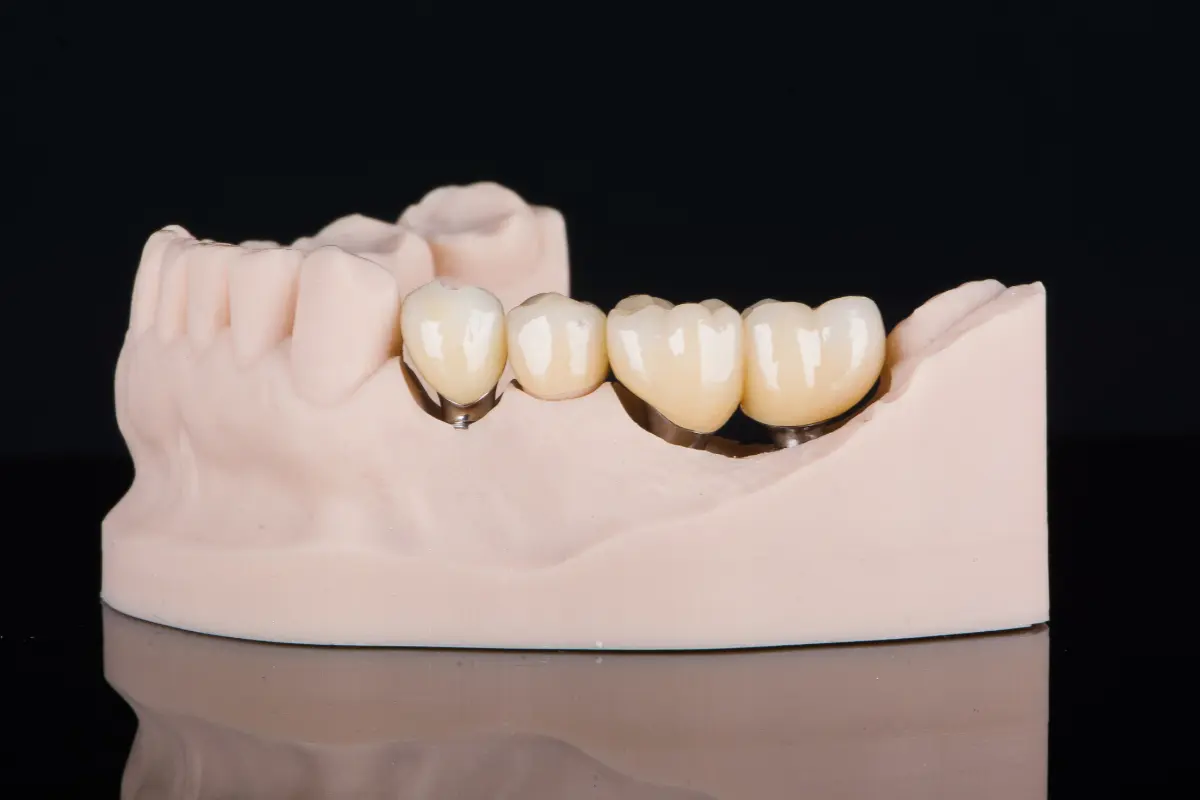
Several teeth
Where several teeth in a row are missing, a small number of implants can support a fixed bridge, replacing them all without a denture, and without relying on the remaining teeth.
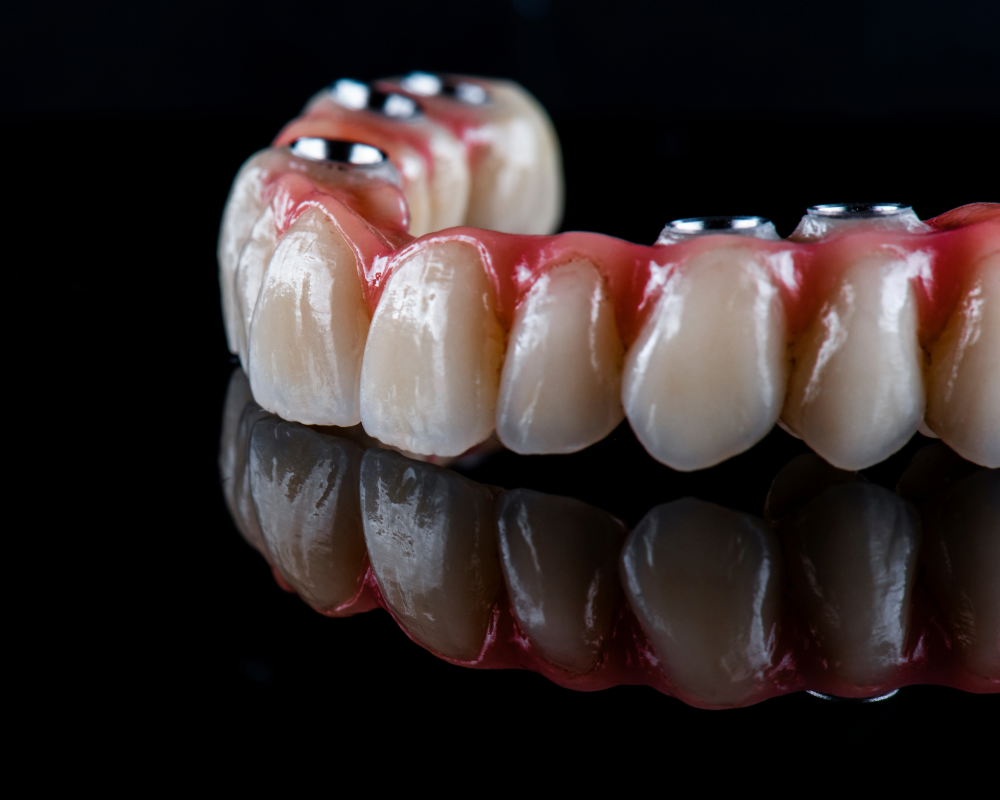
All-on-4 & All-on-6
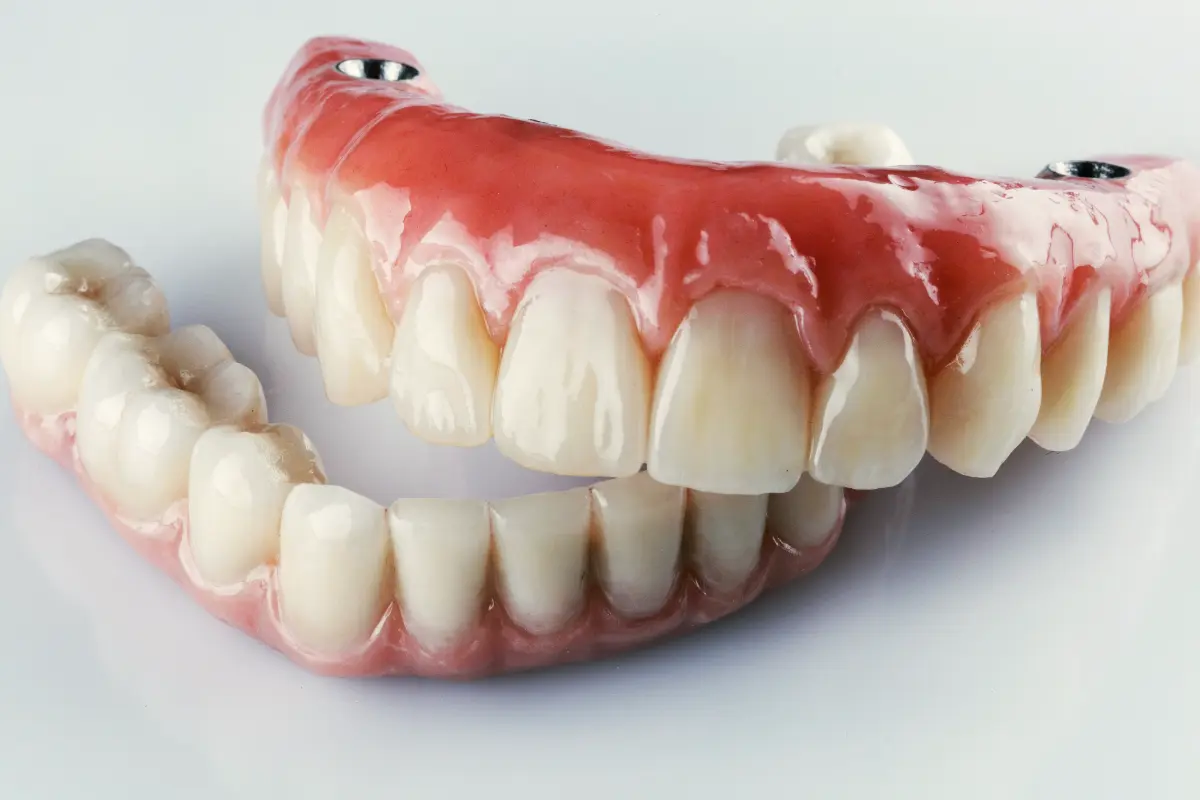
A complete set of teeth secured on just four or six implants. A fixed, permanent alternative to a full denture, often possible in a single day, with teeth that never come out.
Implant-retained dentures
If you have dentures that move or click, a few implants can anchor them firmly in place. You get the security of implants with the familiarity of a denture you can still remove to clean.

A long-lasting solution
Replace what’s
missing.
Book an implant assessment and we will check your suitability, talk through the right option for you, and give you a clear plan and quote.