


Gum treatment
It rarely hurts.
That is the problem.
Gum disease takes teeth quietly. There is no ache to warn you, which is why so many people only find out when a tooth starts to move.
-
An infection of the gums caused by plaque and tartar building up where the gum meets the tooth.
-
In its early stage, entirely reversible. Bleeding gums are inflammation, and inflammation can be turned around completely.
-
Left alone, the leading cause of tooth loss in adults. It destroys the bone that holds your teeth in place.
Bone that has been lost does not grow back. Everything we do is about stopping it before it goes.
Bleeding — when you brush or floss
Bad breath — that does not go away
Receding gums — teeth looking longer than before
Loose teeth — the latest sign, and the worst
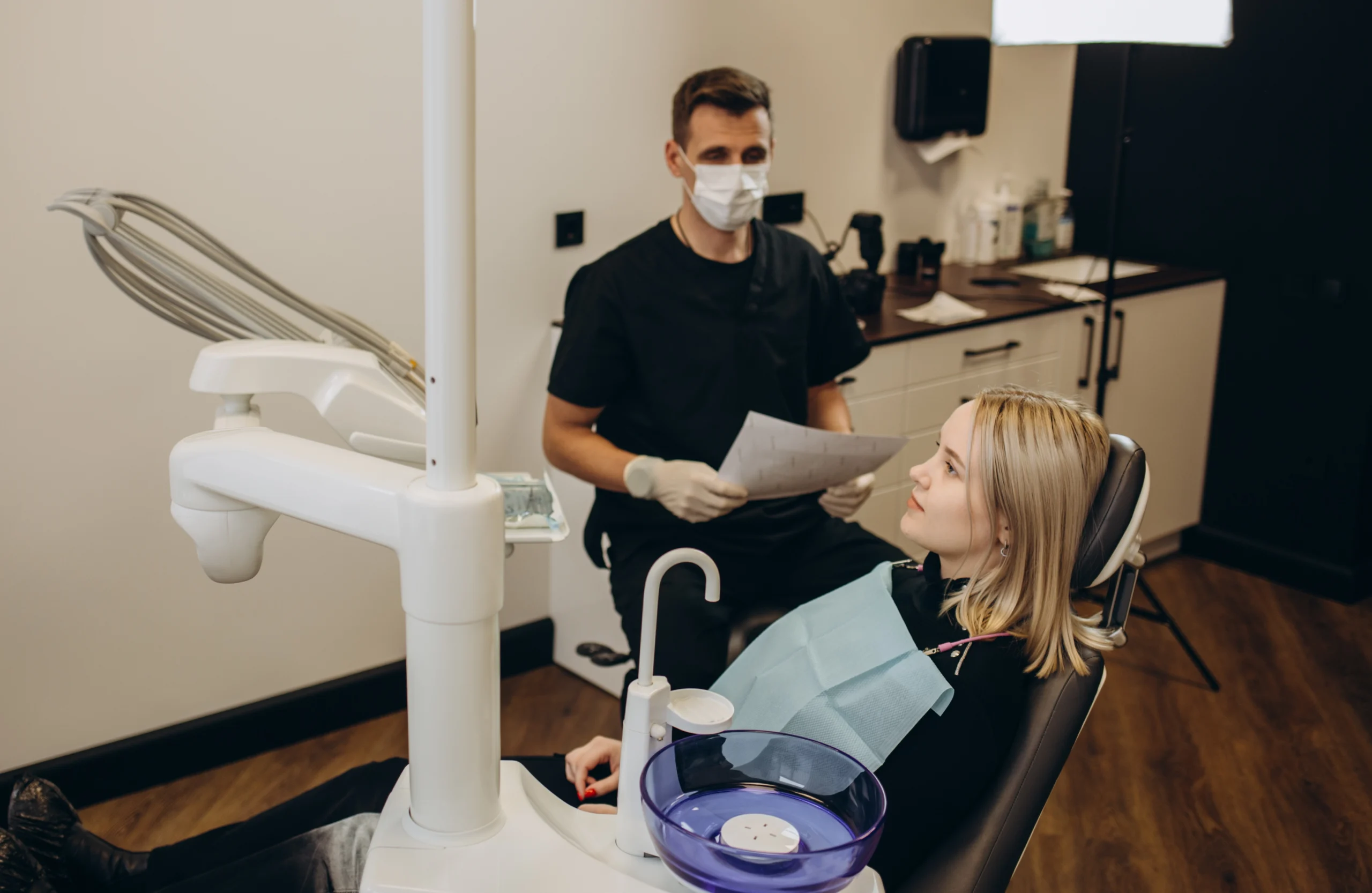
Why it matters
Teeth are only
as good as the gums.
You can have perfect teeth and still lose them. Gum disease does not attack the tooth, it attacks what holds the tooth in.

Gentler than most people expect.
It is the leading cause of tooth loss
More adults lose teeth to gum disease than to decay. The teeth themselves may be perfectly healthy. The bone underneath simply gives way.
Bleeding gums are not normal
If your hands bled when you washed them, you would do something about it. Gums are no different. Bleeding is inflammation, and inflammation is the first stage.
Early on, it is completely reversible
This is the good news, and it is why we push so hard on catching it. At the gingivitis stage, a proper clean and better habits can turn it around entirely.
Lost bone does not come back
Once the disease has destroyed the bone around a tooth, that bone is gone for good. We can halt the damage, but we cannot undo it.
How it works
How we treat it.
Measure, clean, coach, check. It is not complicated, and it works.
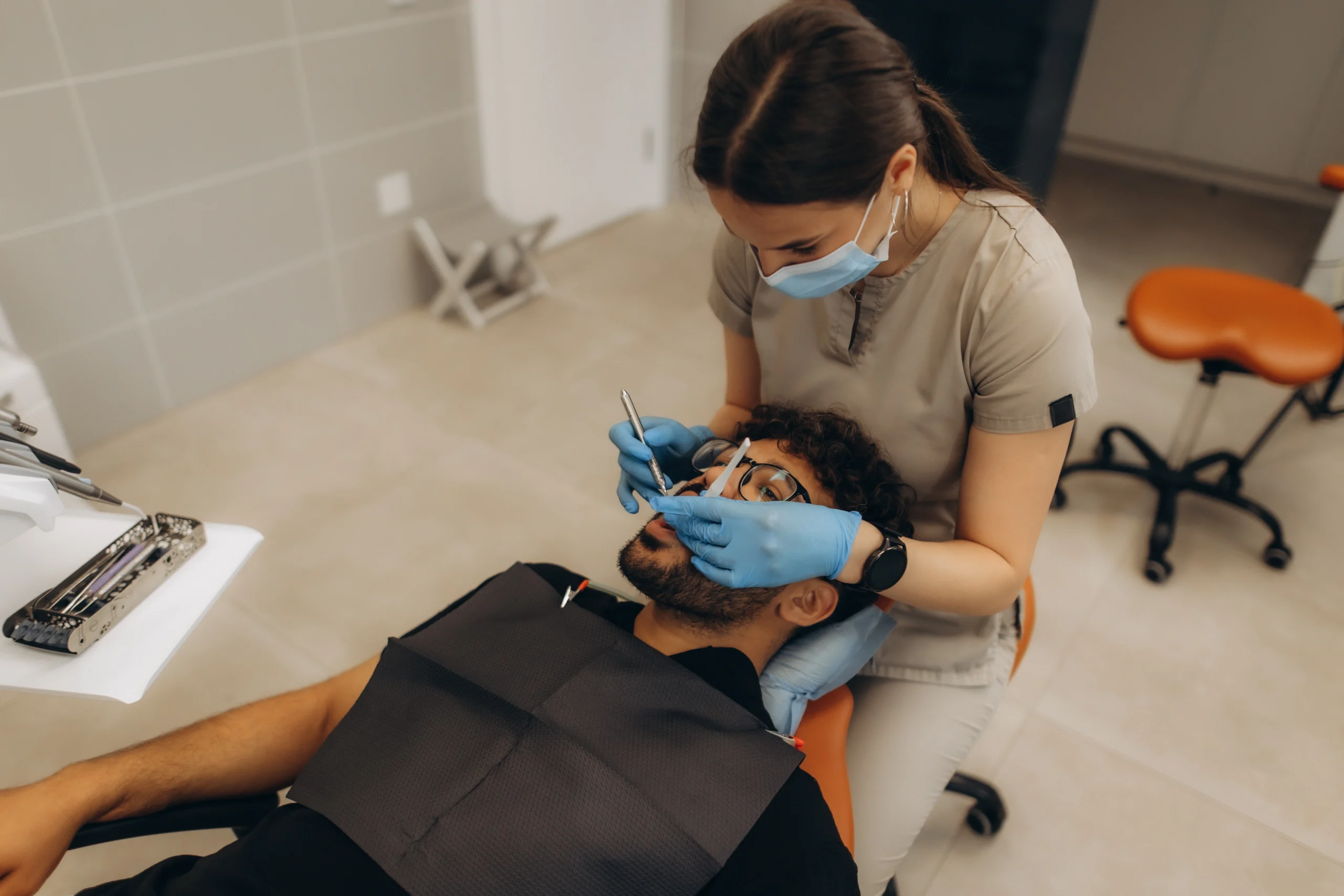
We measure your gums
A gentle probe around each tooth tells us exactly how deep the pockets are. It takes minutes, and it gives us a number for every tooth.
A deep clean
We remove the hardened tartar from below the gum line, where a toothbrush cannot reach. If your gums are sore, we can numb them first.
Showing you the rest
Most of the work happens at home. We show you exactly where you are missing, and what to change. This is the part that decides whether it works.
Checking it worked
We measure again a few weeks later. Pockets should be shallower and the bleeding should have stopped. If it has not, we escalate.


How it works
How we treat it.
Measure, clean, coach, check. It is not complicated, and it works.
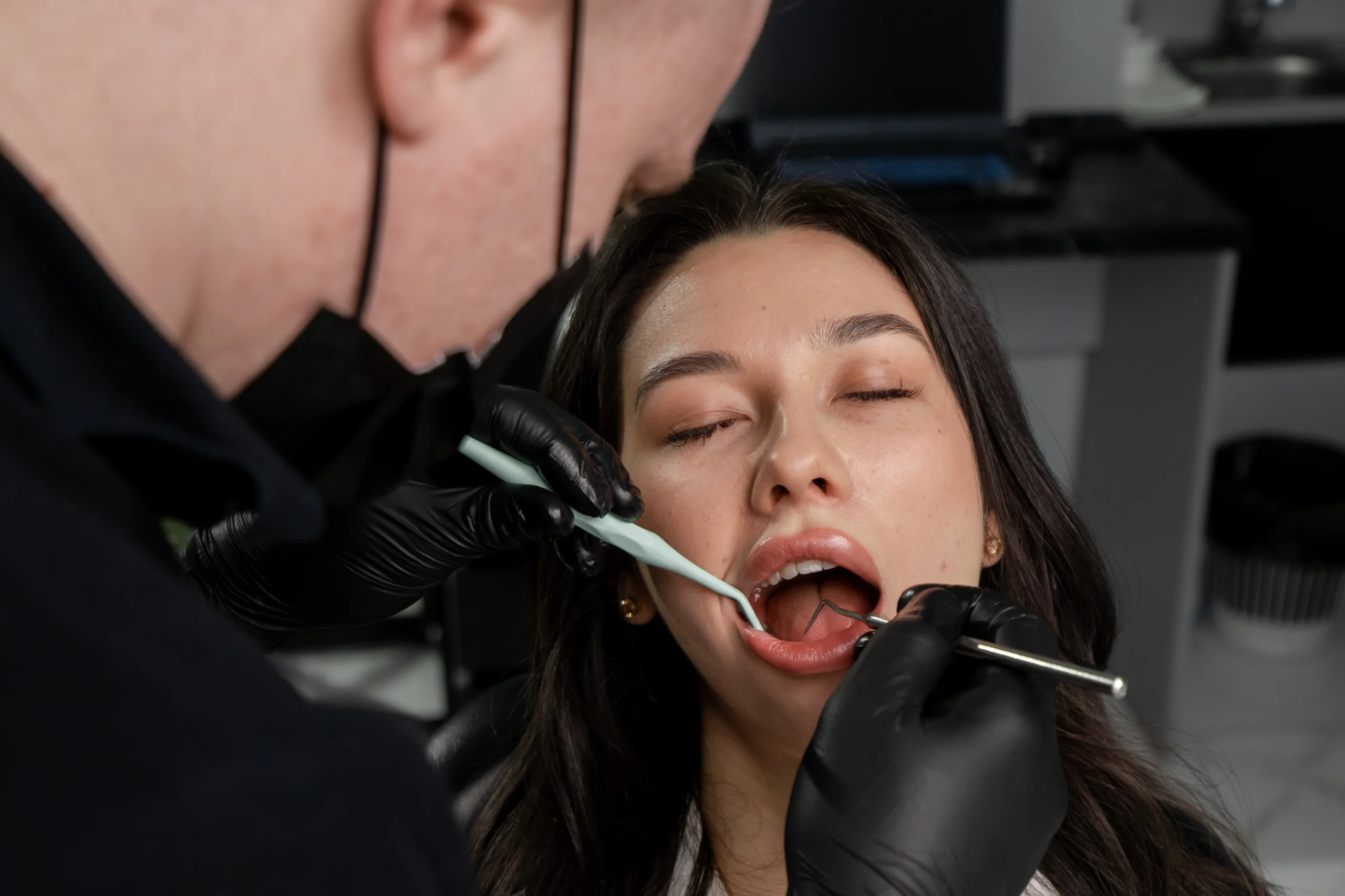
Step 01We measure your gums
A gentle probe around each tooth tells us exactly how deep the pockets are. It takes minutes, and it gives us a number for every tooth.
Step 02A deep clean
We remove the hardened tartar from below the gum line, where a toothbrush cannot reach. If your gums are sore, we can numb them first.
Step 03Showing you the rest
Most of the work happens at home. We show you exactly where you are missing, and what to change. This is the part that decides whether it works.
Step 04Checking it worked
We measure again a few weeks later. Pockets should be shallower and the bleeding should have stopped. If it has not, we escalate.


It will not fix itself
Get your gums
checked.
If your gums bleed, do not wait for them to hurt, because they probably never will. A few minutes now can save your teeth.